The Children's House: A Key Age for Building Foundations
Preschool (ages 3–6) is a crucial period in a child’s development. It’s when they build the foundations of reading, writing, and mathematics, while also developing their autonomy, concentration, and confidence.
At EMIT, this stage is experienced within a trilingual Montessori framework, through educational materials, multi-age groups, and a pedagogy that encourages exploration, active engagement, and the joy of learning.
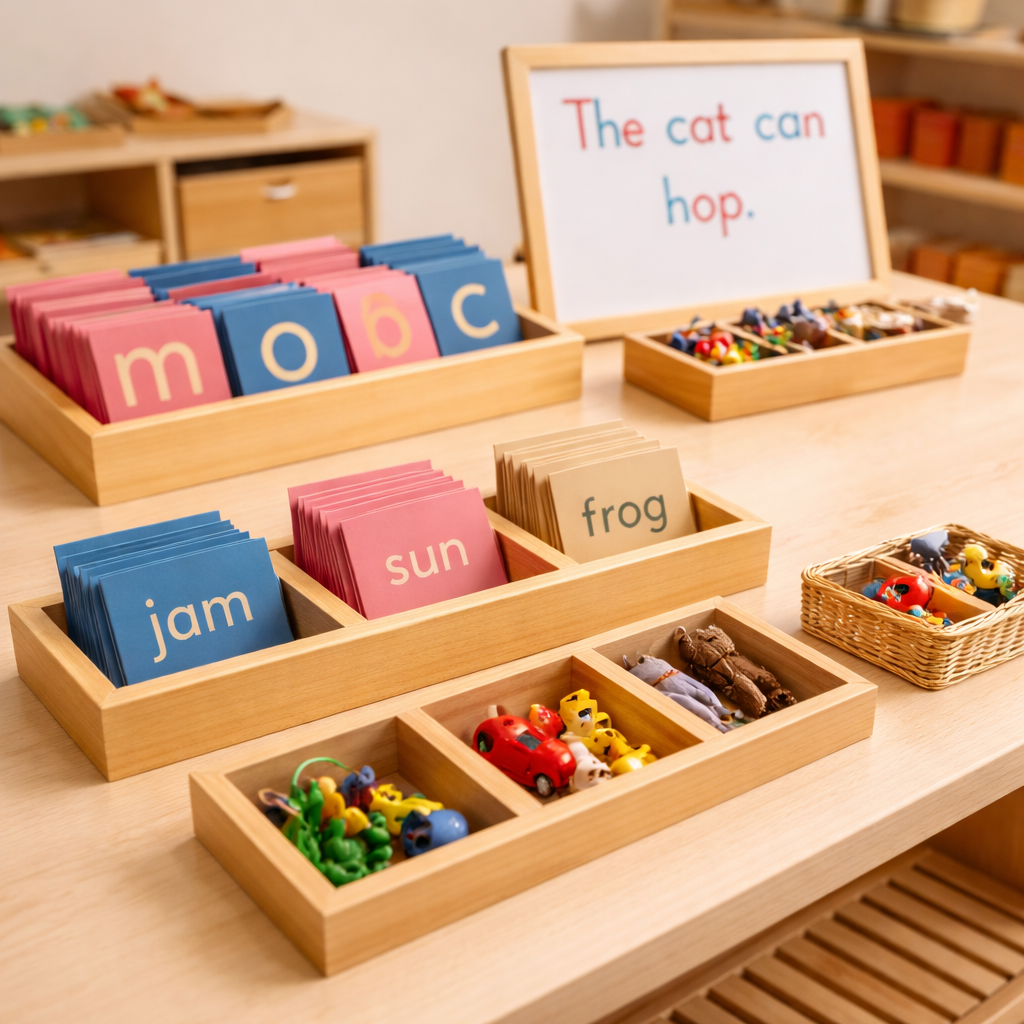
Reading, writing, mathematics, and discovery of the world.
French • English • FSL
Trilingual immersion experienced in classroom life.
LIVING TRILINGUALISM
French, English, and LSF daily
In the Children’s House, trilingualism is fully lived out every day.
French, English, and LSF accompany interactions, routines, classroom life, and learning. Children evolve in an environment similar to that of a multi-language and multicultural family.
This immersion fosters openness, linguistic flexibility, and a more natural relationship with languages.
This dual promise—Montessori and bilingualism—forms the foundation of the pedagogical project.
A reference language for communicating, understanding, narrating, and building early learning.
English
A lively immersion through routines, activities, stories, and classroom life.
LSF
A daily presence that supports attention, expression, and communication with others.
Observe and imitate
The youngest children learn by watching, listening, and drawing inspiration from the actions of older children.
Consolidate achievements
Older children strengthen their confidence by showing, explaining, and repeating what they have learned.
Cooperate and gain autonomy
The multi-age group encourages mutual aid, progressive responsibility, and respect for each individual's pace.
Multi-age classes
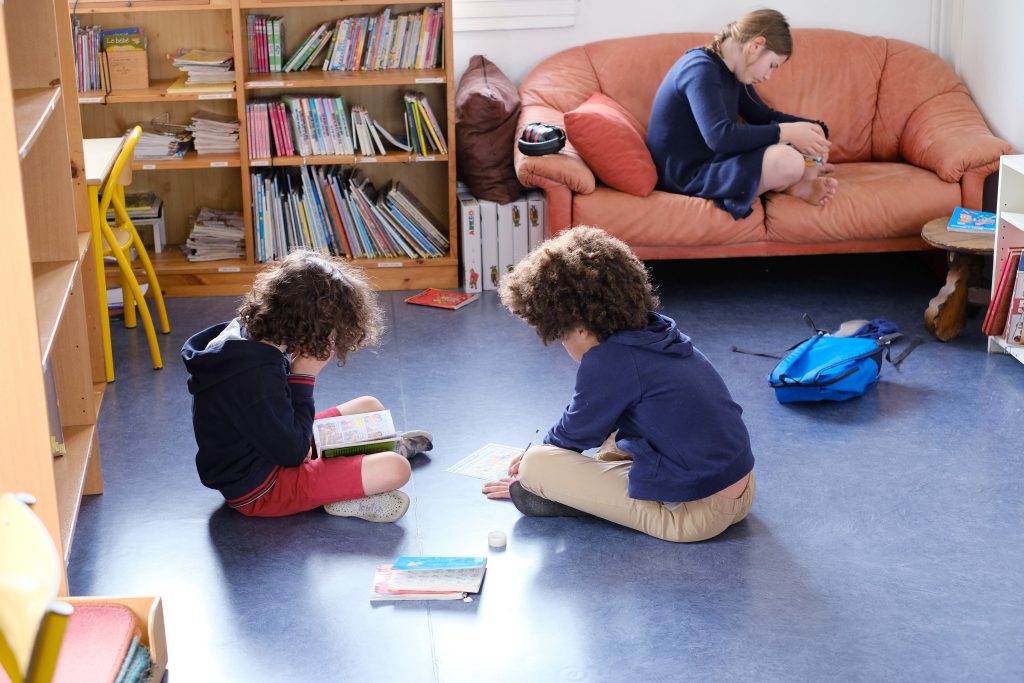
Learning in a multi-age environment
Working in mixed-age groups allows children to progress in a more fluid, observant, and vibrant setting.
The youngest children learn by watching and imitating. Older children consolidate their knowledge, gain more confidence, and progressively develop their sense of responsibility.
This dynamic fosters autonomy, cooperation, and the stability of learning.
OVER THE YEARS
What a child develops in preschool
Autonomy
The child learns to do things independently, to choose, to navigate their environment, and to gain confidence in their abilities.
Language
Trilingualism nurtures their relationship with languages in a lively, concrete, and progressive setting.
Concentration
Montessori materials and the prepared environment promote deeper engagement in activities.
Early Learning
Reading, writing, mathematics, and discovery of the world are progressively built, at each child's own pace.
openness to the world
A preschool that also fosters curiosity and openness
At EMIT, preschool is not limited to fundamental learning. The international environment, the school’s rich human diversity, the spacious areas, and community life also contribute to what the child builds at this age.
They learn to live with others, to open up to different cultures, and to grow in an environment that already gives meaning to diversity.
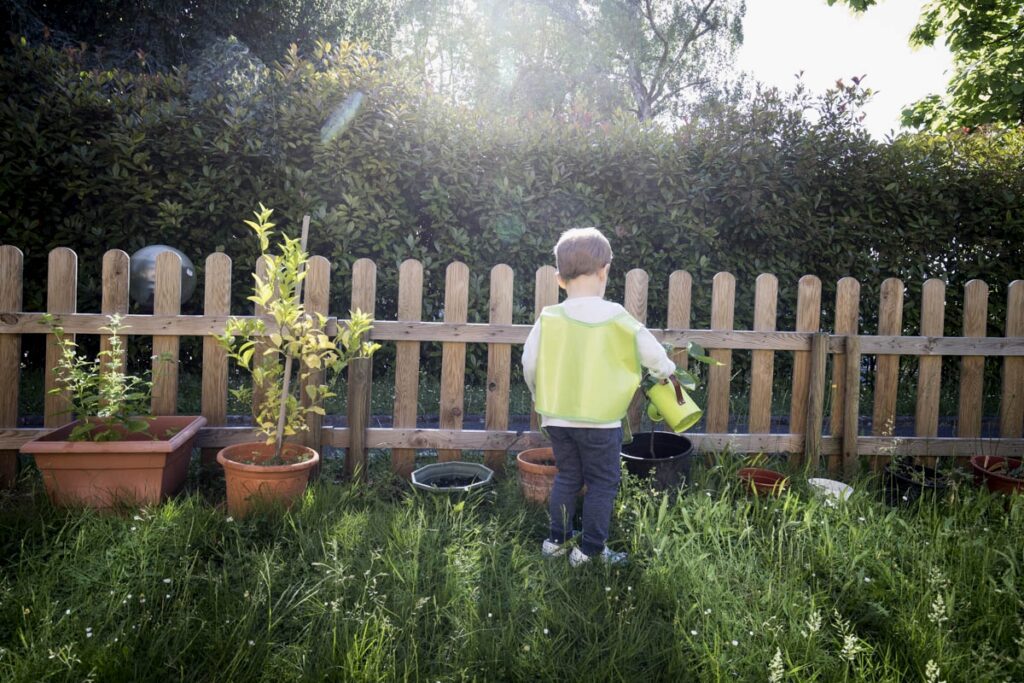
Eco-citizenship
Understanding and caring for your environment.
Workshops
Hands-on learning: explore, create, and learn differently.
Projects
Making learning meaningful.
Openness
Developing curiosity and a broader view of the world.