Our educational programme in Saint-Germain-en-Laye
At Cube School Saint-Germain-en-Laye, our educational programme combines daily immersion in French and English, small class sizes, and a Montessori-inspired approach to support each child with attention, high standards, and kindness.
Each child learns, grows, and develops at their own pace. That is why our approach is based on observation, listening, and personalised support, so that we can offer each child a framework adapted to their needs, personality, and stage of development.
Our aim is to help children become active participants in their learning, in an environment designed to encourage curiosity, confidence, autonomy, and the joy of learning.
Understanding each child’s pace, needs, and way of learning.
Support
Provide a structured, reassuring framework adapted to each stage of development.
Encourage
Help children gain autonomy, confidence, and enjoyment in learning.
FRENCH • ENGLISH
Bilingualism at the heart of learning
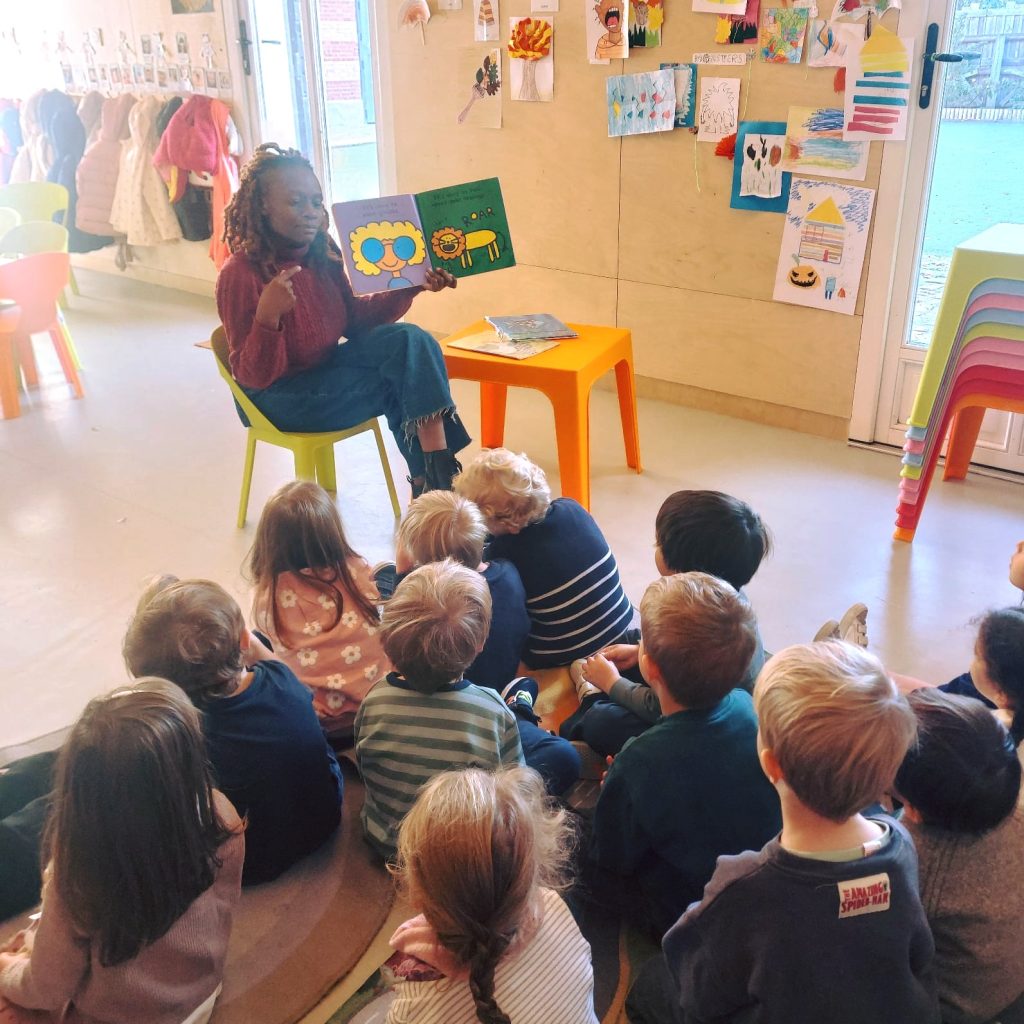
At Cube School Saint-Germain-en-Laye, bilingualism is not based on a few isolated hours of English during the week. It is part of school life: interactions, routines, activities, and learning take place naturally in French and English.
This gradual immersion enables each child to develop their understanding, confidence, and ability to thrive in both languages, within a reassuring and coherent framework.
Both languages are used in routines, instructions, interactions, and activities, to anchor learning in the real life of the school. Discover bilingual education →
MONTESSORI PEDAGOGY
A Montessori-inspired approach
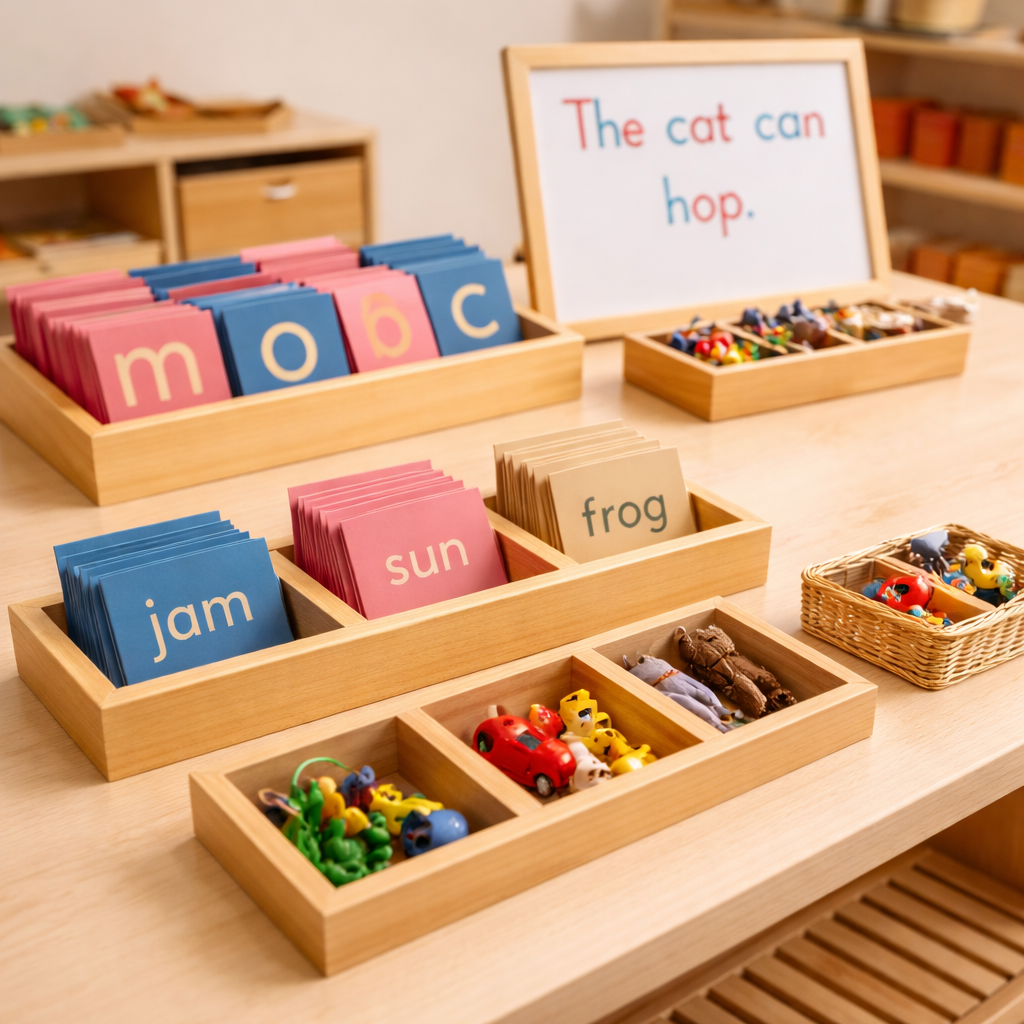
Our pedagogy draws on Montessori principles to offer hands-on, structured learning that respects each child’s pace.
The environment, materials, and activities are designed to encourage autonomy, concentration, hands-on learning, repetition, and the satisfaction of doing things independently.
Montessori is not a fixed pedagogy here: it is a living foundation, serving a bilingual, warm, and contemporary educational project.
Children progress by handling materials, observing, and repeating, in a prepared environment designed to help them gain autonomy and confidence. Discover Montessori education →
KEY OBJECTIVES
Growing independently, learning with others
Our pedagogy supports children in every dimension of their development. It aims to foster autonomy, self-confidence, socialisation, cooperation, and the gradual development of logical thinking, within a bilingual, structured, and caring framework.
Practical Life
Practical life activities enable children to develop their motor skills, concentration, and autonomy in everyday actions. They also help them internalise the reference points of group life and develop their social awareness.
Sensorial
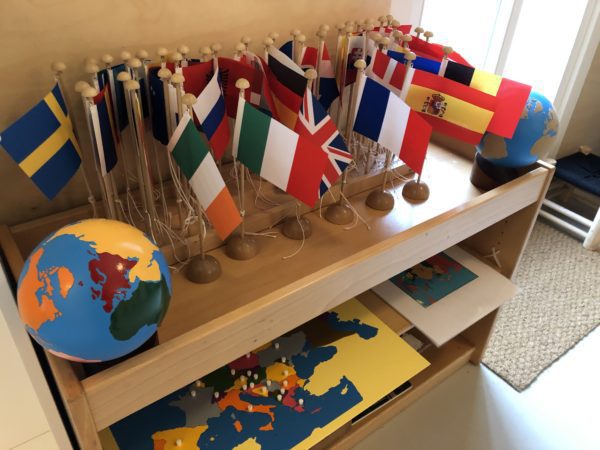
Sensorial activities invite children to explore the world through their senses. By handling, comparing, sorting, and naming, they build concrete reference points that support their future learning.
Language
Language plays a central role, in both French and English. Children expand their vocabulary, learn to express themselves, listen, understand, and communicate with others, while gradually progressing towards writing.
Mathematics
Early mathematical concepts are introduced in a concrete and sensorial way. Children gradually discover numeracy, zero, the decimal system, and the first reference points that prepare them for calculation.
LEARNING BY DOING
Explore to learn
Our educational programme is based on an active approach to learning. Children learn by handling materials, experimenting, observing, repeating, and gradually connecting their discoveries to what they experience every day.
This approach fosters attention, active engagement, feedback, and consolidation of learning. It helps build solid foundations while respecting each child’s natural development.
Manipulate
Observe
Repeat
Understand
LEARNING IN REAL LIFE
A lively, hands-on pedagogy open to the world
Children also learn through hands-on experiences, projects, and activities that give meaning to their discoveries. Sport, art, cooking, the garden, the vegetable patch, observing living things, and creative projects enrich daily school life and extend learning in a lively way.
This practical, outward-looking dimension helps children connect what they learn to what they experience, develop their curiosity, and build an active relationship with their environment.
Sport
Art
Cooking
Garden
Vegetable patch
Creative projects
THE CONNECTION WITH FAMILIES
A pedagogy built together with families
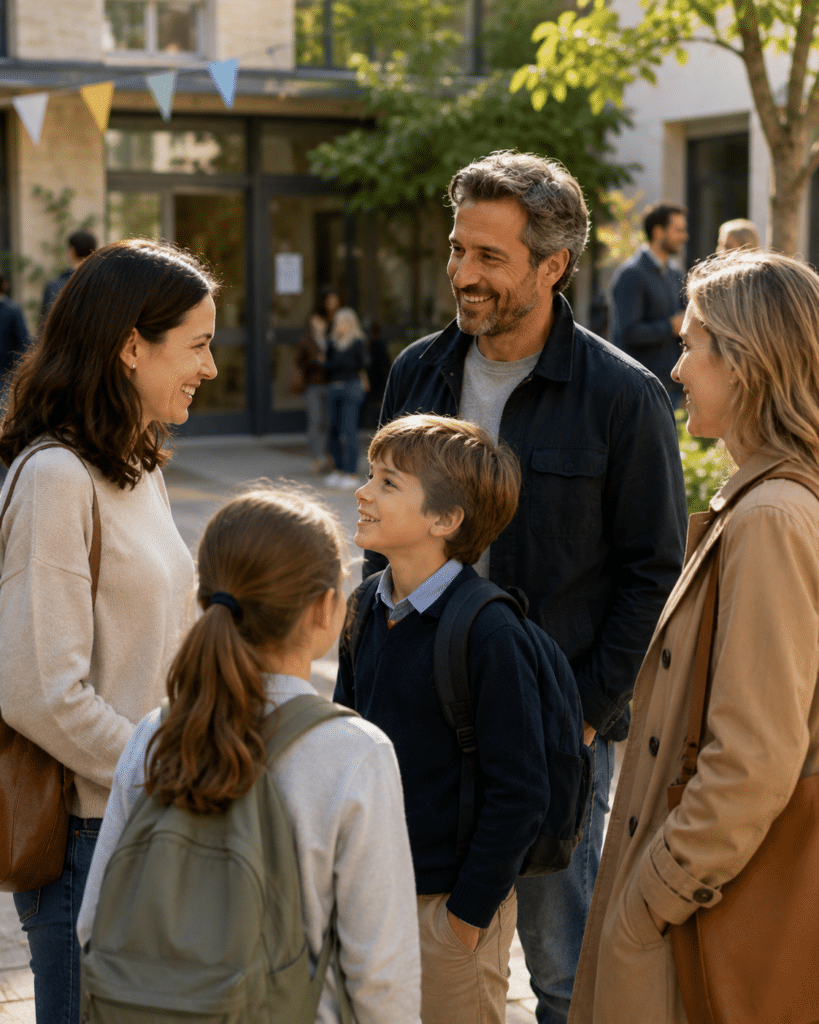
We believe in the importance of regular dialogue with parents. Supporting a young child also means building a relationship of trust with their family, sharing reference points, explaining our approach, and ensuring real continuity between school and home.
At Cube School Saint-Germain-en-Laye, this relationship also involves shared key moments, educational evenings, and opportunities for discussion that foster mutual understanding and strengthen the school community.